

Our Production Process is designed to give creative leads, producers, and procurement teams full clarity before a project begins. From the first conversation to final delivery, every step is structured, transparent, and repeatable.
For event video production and conference videography, predictability matters. Timelines are tight, stakeholders are many, and expectations are high. A clear process reduces risk and ensures everyone knows what to expect at each stage.
This page walks through how our Production Process works, why each step exists, and how it supports high-quality corporate event video production.
Why a Clear Production Process Matters
A defined Production Process removes uncertainty. When teams understand what happens next, decisions become faster and collaboration improves.
In addition, a structured approach helps manage scope, budget, and timelines. This is especially important for conference video production, where schedules are fixed and opportunities cannot be repeated.
For procurement teams, a clear process also supports accountability. Each phase has a purpose, deliverables, and review points.
Step One: Discovery and Project Brief
Every Production Process starts with discovery. This phase focuses on understanding goals, audience, and success metrics.
For corporate event videography, discovery often includes brand guidelines, messaging priorities, and distribution plans. For example, a keynote video may serve marketing, internal communications, or both.
This step aligns stakeholders early. As a result, creative decisions later in the process are grounded in shared objectives.
Step Two: Scope Definition and Planning
Once goals are clear, the Production Process moves into planning. Scope, timelines, and resources are defined in detail.
In event video production, planning includes shoot days, crew size, and equipment needs. For conference videography, it also covers session coverage, speaker logistics, and run-of-show coordination.
Clear planning prevents surprises. It also allows teams to anticipate constraints before production begins.
Step Three: Creative Approach and Direction
Creative direction gives the project its shape. This step translates strategy into visual and storytelling choices.
During this phase, tone, style, and pacing are defined. For corporate event video production, this may include deciding between documentary coverage or more polished storytelling.
The Production Process ensures creative choices align with brand and audience intent. In addition, this step provides a shared vision before filming starts.
Step Four: Pre-Production Coordination
Pre-production is where planning becomes actionable. Schedules are finalized, crews are confirmed, and logistics are locked.
For conference video production, this step often includes venue coordination, stage layouts, and audio planning. These details directly affect final quality.
Because the Production Process addresses logistics early, production days run smoothly and efficiently.
Step Five: Event Video Production and Filming
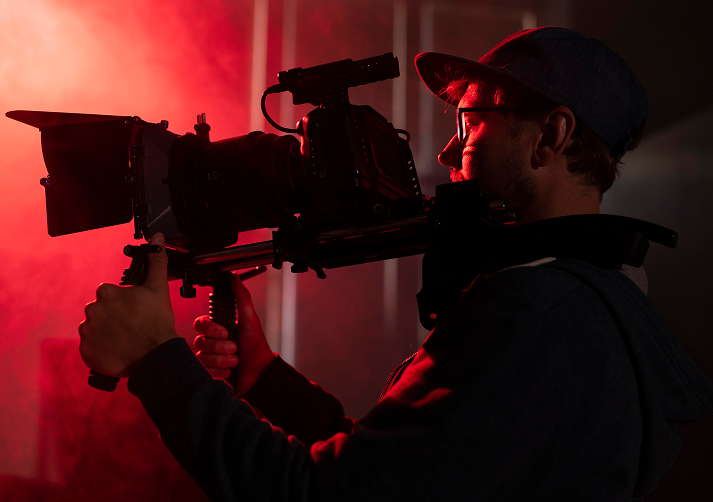
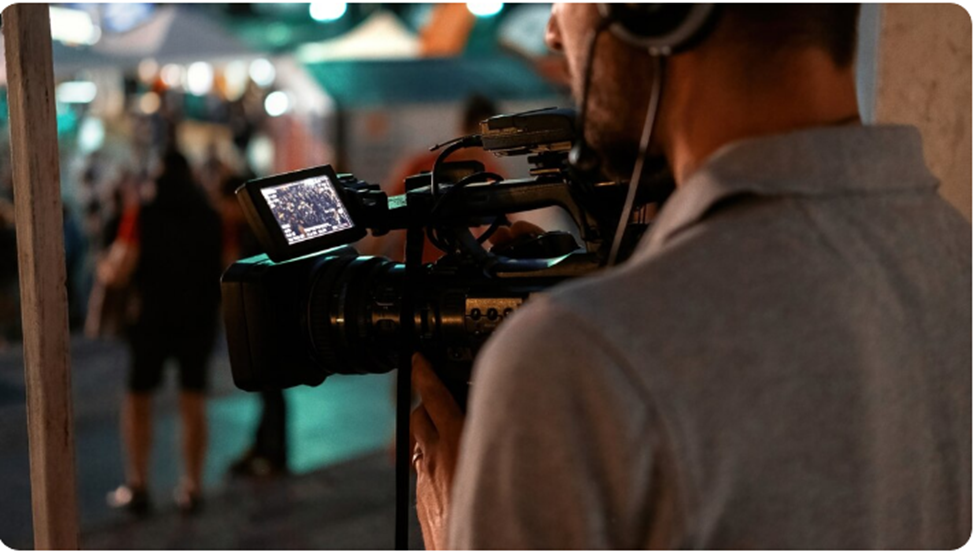
This is the most visible part of the Production Process. Cameras roll, moments are captured, and the plan is executed.
For corporate event videography, experience matters. Crews must adapt quickly to live environments while staying unobtrusive.
Because earlier steps established clarity, production teams can focus on execution rather than problem-solving. This results in stronger footage and fewer compromises.
Step Six: Post-Production and Editing
After filming, the Production Process moves into post-production. This phase shapes raw footage into a finished story.
Editing focuses on clarity, pacing, and message alignment. For conference videography, this may include session edits, highlight reels, and branded intros.
Feedback loops are built into this step. As a result, stakeholders can review progress without slowing momentum.
Step Seven: Review, Revisions, and Approval
Review stages are a critical part of the Production Process. They ensure the final deliverable meets expectations.
Revisions focus on refinement, not rework. Because goals were defined early, feedback stays focused and productive.
This step also supports procurement requirements by documenting approvals and changes clearly.
Step Eight: Final Delivery and Distribution Readiness
The final step of the Production Process is delivery. Files are prepared for their intended platforms and use cases.
For corporate event video production, this may include multiple formats for web, social, and internal use. In addition, assets are organized for easy access.
This step ensures the project delivers value beyond the event itself.
How the Production Process Supports Event Video Production
Event video production is unpredictable by nature. A strong process creates stability within that uncertainty.
Because each step builds on the last, teams can respond to changes without losing direction. This flexibility is essential for live environments.
In addition, a repeatable Production Process improves efficiency across multiple events.
Conference Video Production and Long-Term Value
Conference video production often serves long-term goals. Content may be reused for marketing, training, or sales.
A clear Production Process accounts for this from the start. Capture plans include future use cases, not just immediate needs.
As a result, conference videography becomes an investment rather than a one-time expense.
Corporate Event Videography for Brand Consistency
Brand consistency is critical for large organizations. Corporate event videography must reflect established identity and tone.
The Production Process protects consistency by aligning creative decisions early. This reduces risk and protects brand equity.
In addition, it simplifies approval for internal teams.
Transparency for Creative and Procurement Teams
Transparency builds trust. Our Production Process makes each phase visible and understandable.
Creative leads know when input is needed. Producers can plan resources accurately. Procurement teams understand what they are paying for.
This clarity supports stronger partnerships and smoother projects.
A Production Process Built for Confidence and Clarity
A strong Production Process turns complexity into clarity. It aligns teams, protects timelines, and delivers consistent results.
For event video production, conference videography, and corporate event video production, knowing what to expect makes all the difference. From brief to final deliverable, our process is built to support creative excellence and operational confidence.
FAQs About Our Production Process
Q1.What is included in your Production Process?
Our process includes discovery, planning, production, post-production, and delivery.Each step has clear goals and review points.
Q2.How long does the Production Process take?
Timelines depend on project scope and complexity.Event and conference projects often follow fixed schedules.
Q3.Can the Production Process be customized?
Yes, the process adapts to project needs.However, core steps remain consistent for quality and clarity.
Q4.Who is involved during each step?
Creative leads, producers, and stakeholders participate as needed.This ensures alignment without unnecessary delays.
Q5.Why is a defined Production Process important?
It reduces risk, improves efficiency, and sets expectations.This is especially important for live events and conferences.